
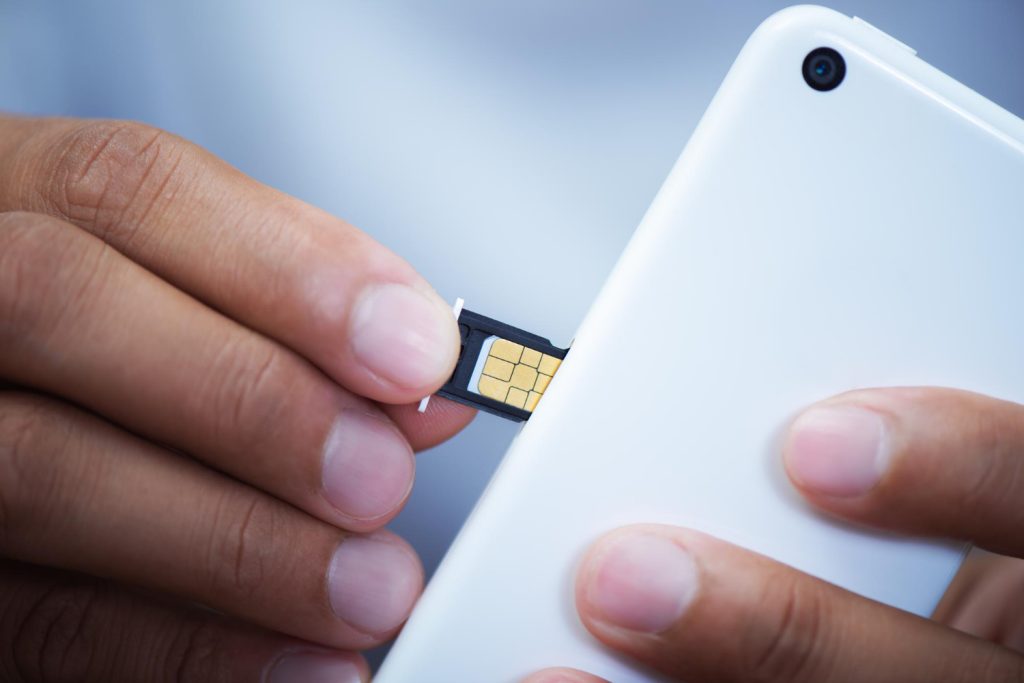
SIM cards have long been essential for using a mobile phone, enabling access to mobile networks for making calls, sending messages, and connecting to the internet. But despite their usefulness, they present numerous problems, especially for travelers or those who wish to switch operators easily.
Below, we will explore the drawbacks of traditional SIM cards and explain why the eSIM is a simpler, more flexible, and more economical alternative.
10 Problems with SIM Cards
1. Transferring a SIM Card
When you change phones, you need to remove your SIM card and insert it into the new device. If the formats are not compatible (nano, micro, standard), you will need to buy an adapter or request a new card from your operator. This process can be complicated, especially when traveling or in an emergency.
2. Changing Operators
Switching from one operator to another with a physical SIM card can be restrictive. If your phone is locked by an operator, you won’t be able to use another SIM card without having it unlocked, which incurs additional costs and waiting times.
3. SIM Card Malfunctions
SIM cards are fragile and can easily be damaged by humidity, heat, or frequent handling. A damaged card prevents your phone from connecting to the network, making access to calls, SMS, and the internet impossible until it’s replaced.
4. Limited Wireless Service
SIM cards are tied to a specific operator, and their network coverage is limited to certain geographical areas. If you travel to a region where your operator has poor coverage, you risk having a weak or non-existent signal.
5. Costly Roaming Plans
When you use your SIM card abroad, your operator often applies high roaming charges. Some international plans cost between €10 and €15 per day, which can quickly drive up your bill.
6. Surprise Fees
Sometimes unexpected charges appear on your bill, especially if your phone automatically connects to a foreign network without you being aware. These fees can be very high and difficult to dispute.
7. Finding SIM Card Providers While Traveling
Upon arrival in a foreign country, you will often need to look for a store that sells local SIM cards. This can be a tedious process, especially if you don’t speak the local language or if you arrive late at night.
8. Keeping Track of Multiple SIM Cards
Frequent travelers often have to juggle multiple SIM cards for different countries. This means keeping them safe, labeling them correctly, and changing them regularly, which can be a source of stress and confusion.
9. Finding a SIM Ejector Tool When You Need It
To remove a SIM card, you need a specific tool (SIM ejector tool). This small accessory is easy to lose and difficult to replace. While you can use a paper clip as a workaround, it can damage your phone.
10. Replacing a SIM Card
If your SIM card is lost or damaged, you will need to contact your operator to get a new one. This process can take several days, during which you will not be able to use your phone line.
Why eSIM is a Better Alternative
While SIM cards have long been indispensable, technological advancements now offer more efficient and economical alternatives. With an eSIM, you can switch between multiple operators without changing cards. This allows you to choose the most advantageous offer at any time, without waiting for a new SIM to be shipped.
This way, you avoid queues in stores and immediately benefit from a mobile connection upon landing, if you’re traveling.
With an eSIM, you can subscribe to affordable international plans and avoid the exorbitant roaming fees of traditional operators. Vostra offers plans tailored for travelers, with coverage in over 100 countries.